
Best Day and Mantra for Wearing Gomed as per Astrology
Why Wearing Gomed Correctly Matters Unlike gentle planetary energies, Rahu acts swiftly. Wearing a Hessonite gemstone without proper purification or on an inauspicious day can backfire, leading to restlessness or bad luck. Conversely, when activated correctly through Vedic rituals, a high-quality, natural Gomed can: Clear confusion and boost mental clarity. Provide protection against evil eye, hidden enemies, and negative energies. Bring sudden financial gains, success in business, and career advancements....
Blue Sapphire Stone Side Effects: Who Should Not Wear It and Why?
The Metaphysical Power of Neelam: Why is it So Reactive? In Vedic astrology, Saturn is the planet of discipline, hard work, patience, and karma. Because Saturn moves slowly but acts decisively, its corresponding gemstone, the Blue Sapphire, acts like a high-voltage electrical current. While milder stones like Quartz or Garnet take weeks or months to manifest their energies, a natural Neelam stone can alter a person’s energy field within a...
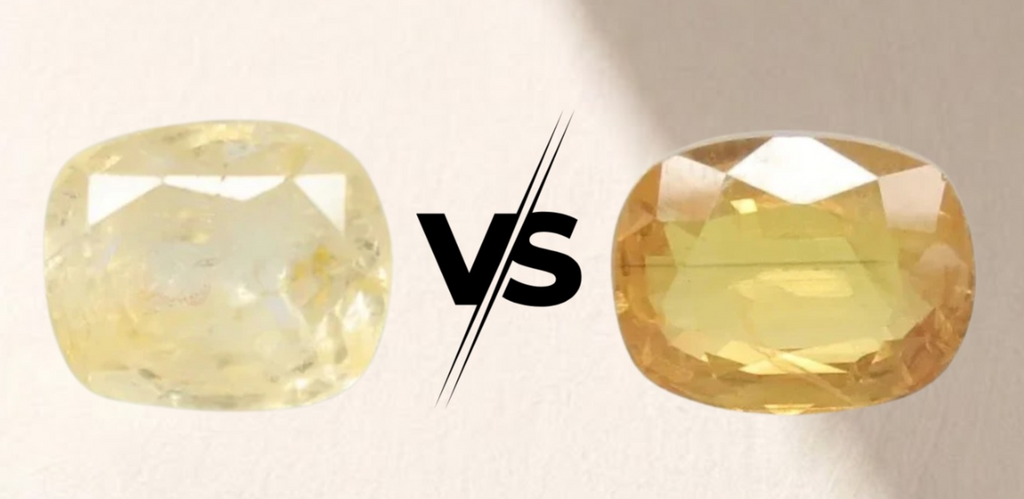
Treated vs Untreated Yellow Sapphire: Know the Real Difference
What is an Untreated Yellow Sapphire? An untreated Yellow Sapphire is a pure masterpiece of nature. It is mined from the earth, faceted, and polished without undergoing any artificial modification to alter its color or clarity. The Reality of Nature: Truly untreated stones are incredibly rare. They often retain microscopic, natural inclusions (such as fine "silk" or rutile needles, liquid feathers, or tiny mineral crystals). These internal features are not...
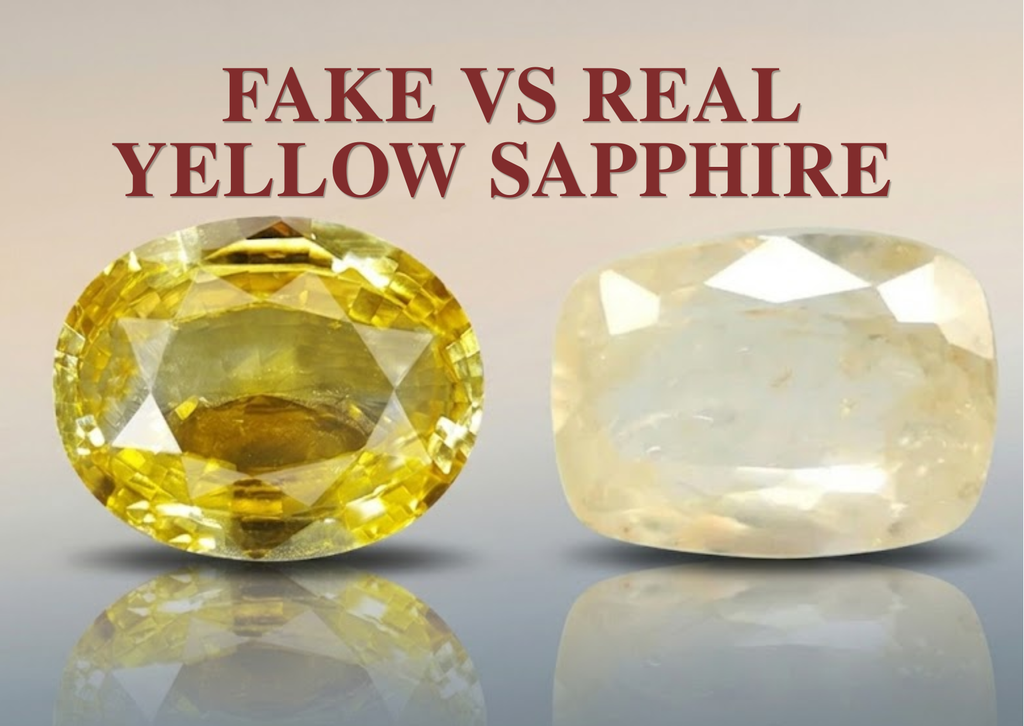
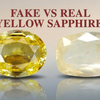
Real vs Fake Yellow Sapphire: The Identification Guide
The Core Difference: Natural, Synthetic, and Imitation Before diving into the tests, it is essential to understand what exactly makes a stone "fake" or "non-natural." Natural Yellow Sapphire: Formed deep within the earth’s crust over millions of years under extreme heat and pressure. It contains distinct natural internal characteristics. Synthetic/Lab-Grown Sapphire: These possess the exact same chemical composition ($Al_2O_3$) and physical properties as natural sapphires but are created in a...
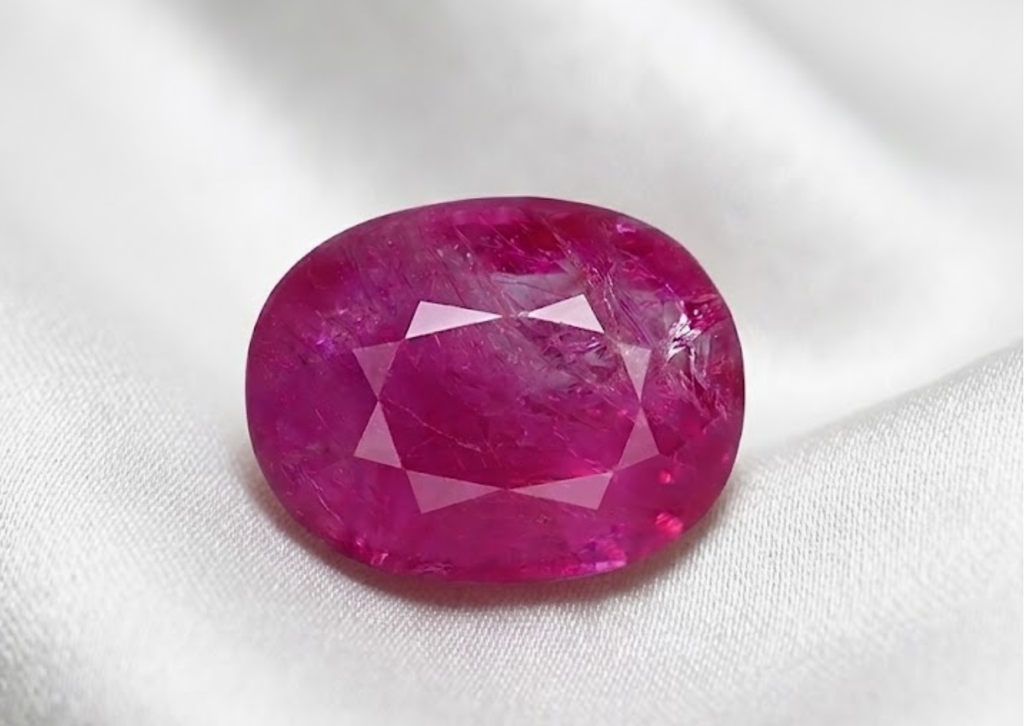
Why Is Burma Ruby So Expensive?
1. The Legendary "Pigeon’s Blood" Color The most significant factor behind the price of a Burma Ruby is its color. The finest rubies from the Mogok Valley are famously described as "Pigeon’s Blood" red. Vivid Red with Blue Undertones: This isn't just any red; it is a deep, vivid red with a soft, subtle hint of blue. This unique combination makes the red appear richer and more "velvety." High Chromium...
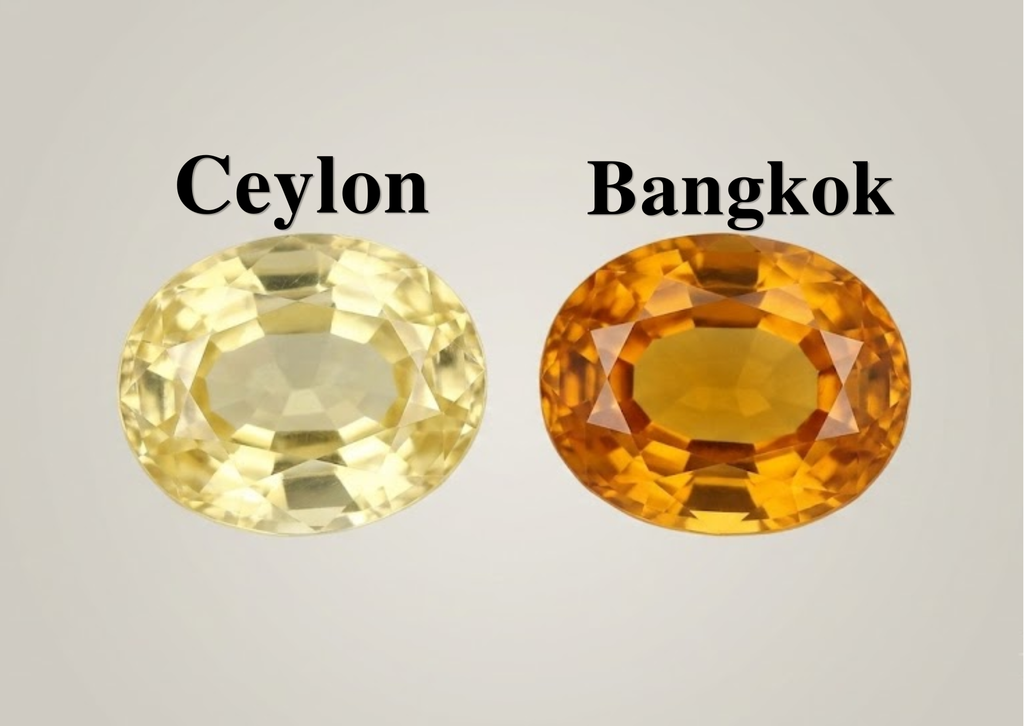
Ceylon vs Bangkok Yellow Sapphire: Which Pukhraj Stone Is Right for You?
1. Origins and Heritage Ceylon (Sri Lankan) Yellow Sapphire: Sri Lanka is often referred to as the "Gem Island." For centuries, it has produced some of the world's finest Yellow Sapphires. Ceylon stones are famous for being mined ethically and naturally, often found in the gravel of riverbeds. They are prized for their "clean" energy and historical prestige. Bangkok (Thai) Yellow Sapphire: Thailand is the global hub for gemstone trading...
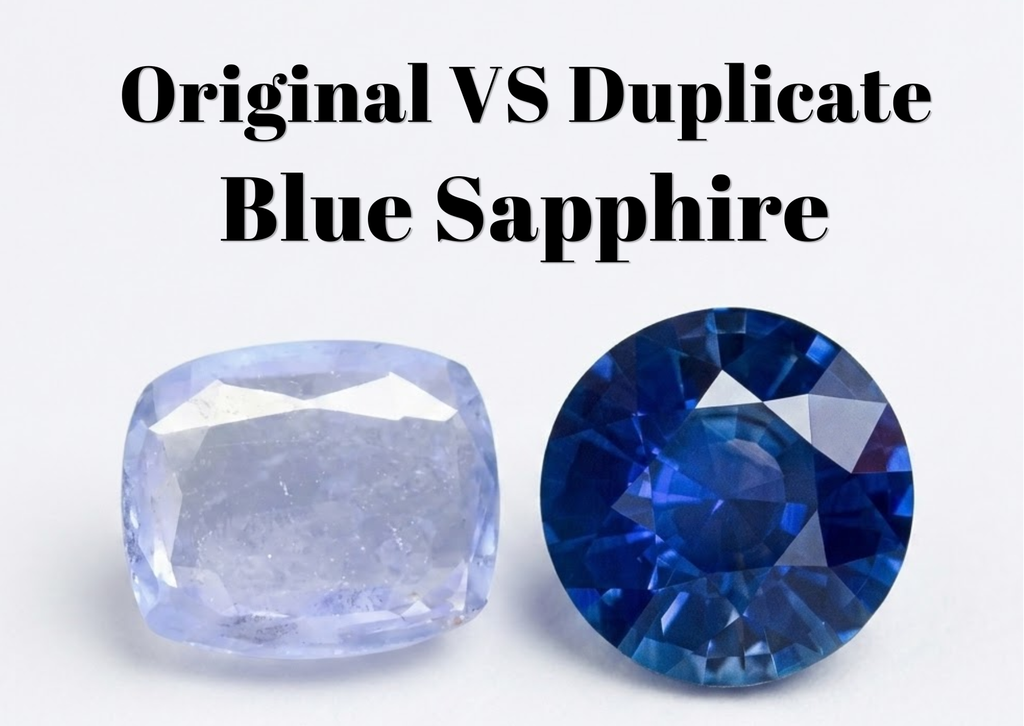
How to Identify a Real Blue Sapphire: Original vs Fake
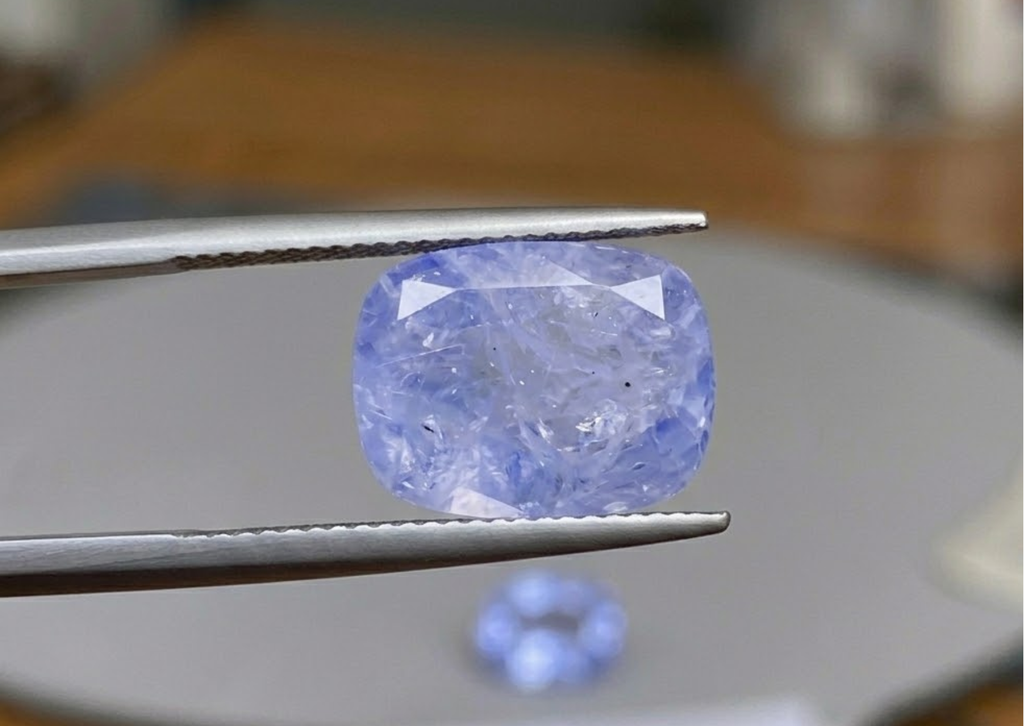
Understanding the Basics: What is a Blue Sapphire? A Blue Sapphire is a variety of the mineral Corundum. While pure corundum is colorless, the presence of trace elements like iron and titanium gives the Blue Sapphire its signature hue. On the Mohs scale of mineral hardness, Sapphires score a 9, making them the second hardest natural substance after diamonds. 1. The "Breath Test" (The Quick Fog Check) One of the...
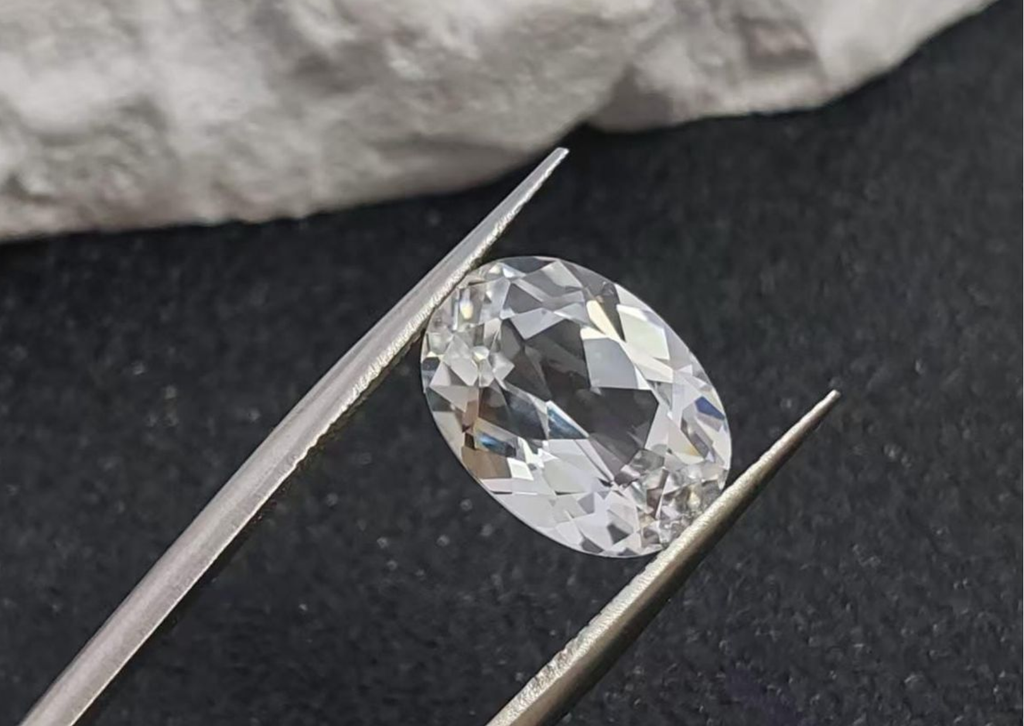
When and How to Wear White Sapphire: Best Day and Best Metal
When to Wear White Sapphire: The Best Day & Time Timing is everything when it comes to planetary gemstones. To ensure the stone aligns with the energies of Venus, follow these specific guidelines: The Best Day: Friday (Shukravar) is the dedicated day for the planet Venus. The Best Time: The most auspicious time is during the morning hours (Sunrise). Ideally, you should wear it within the first hour after sunrise,...