Treated vs Untreated Yellow Sapphire: Know the Real Difference
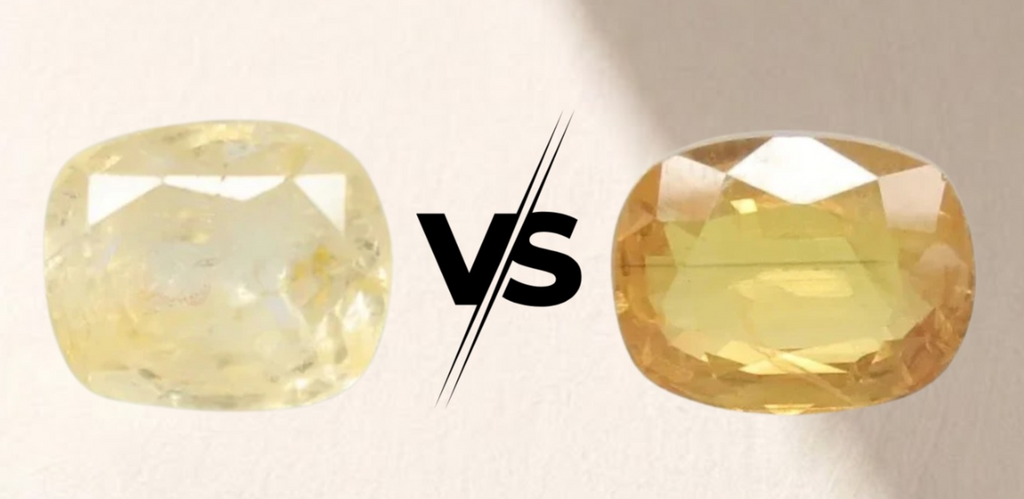
What is an Untreated Yellow Sapphire?
An untreated Yellow Sapphire is a pure masterpiece of nature. It is mined from the earth, faceted, and polished without undergoing any artificial modification to alter its color or clarity.
-
The Reality of Nature: Truly untreated stones are incredibly rare. They often retain microscopic, natural inclusions (such as fine "silk" or rutile needles, liquid feathers, or tiny mineral crystals). These internal features are not flaws; they are the gemstone’s birthmarks, proving its natural origin.
-
Color and Brilliance: The hue of an untreated stone is entirely organic, resulting from trace elements of iron present during its formation over millions of years. Its color is completely stable and will never fade over time.
What is a Treated Yellow Sapphire?
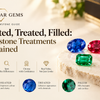
Because flawless, vividly colored natural gemstones are exceptionally rare, the gem industry uses various scientific enhancements to improve the appearance of lower-grade stones. A treated Yellow Sapphire is a natural stone that has been artificially altered to enhance its color saturation or visual clarity.
While treatments are acceptable trade practices, they must always be fully disclosed to the buyer, as they drastically reduce the stone's market value compared to an untreated counterpart.
Common Treatment Methods:
-
Thermal Enhancement (Heat Treatment): This is the most common method. The sapphire is subjected to extreme temperatures (ranging from 1200°C to 1800°C) in a controlled furnace. This process dissolves internal inclusions, improves clarity, and intensifies the yellow hue.
-
Beryllium Diffusion: In this advanced treatment, the sapphire is heated in the presence of beryllium element. The beryllium penetrates the crystal lattice, artificially transforming a pale or colorless sapphire into a vibrant, deep golden yellow.
-
Glass/Flux Filling: Low-grade, highly fractured sapphires are sometimes heated with a lead-glass or flux material that fills the cracks, making the stone appear clearer and more structurally sound than it actually is.
Treated vs. Untreated: The Core Differences
To help you quickly distinguish between the two, let us look at how they compare across critical parameters:
| Feature | Untreated Yellow Sapphire | Treated Yellow Sapphire (Heated/Diffused) |
| Rarity | Extremely rare (less than 1% of all gem-quality sapphires). | Abundant and easily available in the market. |
| Price & Value | Commands a massive premium; acts as an appreciating asset. | Highly affordable; holds very little resale or investment value. |
| Internal Inclusions | Contains intact, pristine natural inclusions (e.g., unbroken silk). | Inclusions are melted, altered, or replaced by glassy flux residues. |
| Color Longevity | Permanent, deep organic color that never changes. | Diffusion-treated stones may lose color if re-cut or chipped. |
| Astrological Impact | Highly potent; transmits 100% pure planetary energies. | Structurally altered; considered ineffective or "dead" for Jyotish. |
The Astrological Perspective: Why it Matters for Pukhraj
If you are buying a Yellow Sapphire for its astrological benefits to harness the energies of Jupiter (Guru), the debate ends here: you must choose an untreated, natural gemstone.
In Vedic astrology (Jyotish), a gemstone acts as a cosmic filter. It channels planetary cosmic rays directly into the wearer’s aura.
-
The Flaw of Treated Stones: When a gemstone is subjected to extreme heat, diffusion, or chemical filling, its natural crystal structure is disrupted, and its inherent elemental energy is compromised. Astrologers believe that treated stones cannot transmit the pure, benevolent energies of Jupiter.
-
The Power of Untreated Stones: Only an unheated, untreated Pukhraj stone possesses the uninterrupted vibrational frequency required to bring the wearer wealth, academic success, marital harmony, and good health.
How to Avoid Being Fooled: Smart Buying Tips
The gemstone market can be complex, and unscrupulous sellers may try to pass off a heavily heated or beryllium-diffused stone as a premium, untreated specimen. Protect your investment by following these essential steps:
1. Demand a Trusted Lab Certificate
Never buy a Yellow Sapphire based on verbal assurances alone. Always demand a certificate from a reputable, independent gemological laboratory (such as GIA, IIGJ, ). The certificate must explicitly state whether the stone has undergone any form of treatment under the "Indications of Heating" or "Treatment" section. Look for terms like "No indications of heating" to ensure total purity.
2. Examine the Price Point
If a seller offers you a flawlessly clean, vivid, golden-yellow sapphire at an unbelievably low price, it is highly likely a treated, synthetic, or glass-filled stone. Authentic, untreated Yellow Sapphires of high clarity and color command premium market prices due to their extreme scarcity.
3. Inspect Inclusions Under Magnification
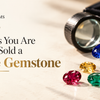
Under a jeweler's loupe ($10\times$ magnification), an expert can see the difference. Untreated stones display sharp, intact, angular inclusions. In heated stones, you will often find "exploded" or discoid fractures (halo inclusions) caused by the intense heat expansion, or completely melted crystals.
Conclusion: Which One Should You Buy?
Your choice ultimately depends on your primary objective:
-
Choose an Untreated Yellow Sapphire if: You are purchasing the stone for astrological purposes, seeking a high-value collector's piece, or looking for a premium investment asset that will appreciate in value over time.
-
Choose a Treated Yellow Sapphire if: You are buying the stone purely for fashion jewelry, appreciate a vibrant look on a budget, and do not mind that the stone has been scientifically enhanced.
“At Tushar Gems, we provide 100% certified, astrologer-approved gemstones with 28+ years of trust — so you never risk wearing the wrong stone.”