How to Identify Original Red Coral Stone: A Buyer's Complete Guide
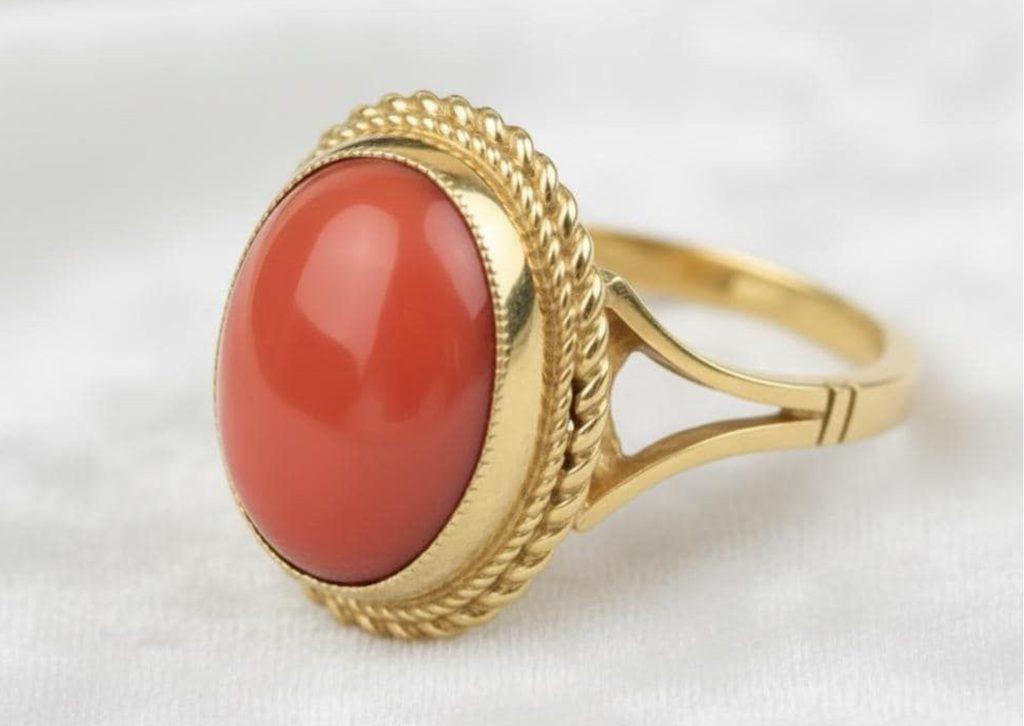
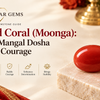
Red Coral, professionally known as Moonga or Praval, is one of the most sought-after organic gemstones in the world. Deeply tied to Vedic astrology as the stone of Mars (Mangal), it is highly revered for its ability to boost vitality, courage, and financial stability.
However, because high-quality red coral commands a premium price, the market is flooded with cheap imitations. Buyers are frequently sold dyed calcium carbonate, plastic, glass, or synthetic resins masquerading as genuine stones.
If you are planning to invest in this potent gemstone, knowing how to identify original red coral stone is critical to ensure you get your money's worth and reap its actual benefits. This comprehensive guide breaks down the science, the physical traits, and the simple home tests you can perform to spot a real red coral from a fake.
What is an Original Red Coral Stone?
Unlike mineral-based gemstones like diamonds or sapphires that form deep within the earth's crust, red coral is an organic gemstone. It is formed in the deep sea by marine organisms known as coral polyps. Over centuries, these tiny creatures leave behind hard calcium carbonate skeletons that gradually build branches.
When harvested, polished, and cut into popular shapes like ovals, cushions, or capsules, it transforms into the stunning gemstone used in luxury jewelry and astrological practices.
Key Specifications of Natural Red Coral
Before diving into tests, it helps to understand the baseline scientific and physical properties of an authentic stone:
| Property | Specification of Genuine Red Coral |
| Chemical Composition | Primarily Calcium Carbonate ($CaCO_3$) |
| Hardness | 3.5 to 4 on the Mohs Scale (Relatively soft, easily scratched) |
| Specific Gravity | 2.60 to 2.70 |
| Refractive Index | 1.486 to 1.658 |
| Texture | Smooth, porcelain-like after polishing, with faint natural striations |
| Common Origins | Italy (Mediterranean Sea), Japan, Taiwan |
How to Identify Original Red Coral: 5 Simple Home Tests
While a professional laboratory test is the ultimate guarantee, you can filter out poor-quality fakes using these reliable DIY tests.
1. The Milk Test (Most Popular Astrological Test)
This is a classic, non-destructive test widely trusted by traditional gemstone buyers.
-
The Process: Take a glass of raw, pure milk and drop your red coral stone into it.
-
The Real Result: Because natural red coral is highly radiant and organic, it will impart a distinct reddish or pinkish tinge to the milk due to light reflection.
-
The Fake Result: If the stone is synthetic, glass, or plastic, the milk will remain completely white. Alternatively, if it's treated with cheap surface dyes, the dye might bleed and artificially stain the milk instantly.
2. The Rubbing & Sound Test
Glass and plastic are the two most common materials used to mimic coral. This test relies on sound and surface friction.
-
The Process: Rub the gemstone gently against a piece of raw turmeric or tap it very lightly against a piece of glass.
-
The Real Result: When rubbed against turmeric, a genuine stone will not change the color of the turmeric. When tapped, real coral produces a soft, dull thud because of its organic, porous nature.
-
The Fake Result: Plastic imitations will cause a squeaking sound when rubbed. If the stone is dyed glass, tapping it will produce a sharp, high-pitched metallic clinking sound.
3. The Magnifying Glass Inspection (The Striation Test)
If you have a 10x jeweler’s loupe or a high-quality magnifying glass, look closely at the surface of the gemstone under bright, natural light.
-
The Real Result: Look for natural striations—fine, parallel running lines along the structure. You might also spot tiny, microscopic pits or irregularities. These are the growth marks left behind by coral polyps and prove the stone grew naturally underwater.
-
The Fake Result: If the surface looks absolutely flawless, perfectly even, or contains tiny trapped air bubbles, it is unmistakably glass or molded plastic.
4. The Rubbing Alcohol / Acetone Test
Many fake corals are actually white corals or cheap stones dyed deep red to mimic premium Italian varieties.
-
The Process: Dip a clean cotton swab in pure acetone or nail polish remover and gently rub a hidden area of the stone.
-
The Real Result: The cotton swab will stay perfectly clean. The color of an original Moonga is deeply embedded into its structural matrix and will not dissolve.
-
.The Fake Result: The cotton swab will immediately pick up red or pink color, revealing a surface-dyed imitation.
5. The Lemon Juice / Acid Test (Destructive Test)
⚠️ Warning: Only perform this test as a last resort on an inconspicuous part of the stone (like the back or base), as it can slightly etch the surface of a real stone.
-
The Process: Place a tiny drop of lemon juice or diluted hydrochloric acid on the stone.
-
The Real Result: Because authentic red coral is made of calcium carbonate, it will chemically react with the acid and start effervescing (bubbling or fizzing softly).
-
The Fake Result: Glass, plastic, or synthetic resins will show absolutely no reaction to the acid.
Italian Red Coral vs. Japanese Red Coral
When navigating the market, you will primarily encounter two premium origins. Knowing the difference helps you avoid overpaying:
-
Italian Red Coral (Mediterranean): This is the most popular variety for astrological use. It features a rich, uniform light-red to deep-red color with minimal visible pits. It offers an excellent balance of beauty and astrological potency at an accessible price point.
-
Japanese Red Coral: Known for its exceptionally high quality and deep ox-blood red color (Chisang). However, Japanese coral naturally features a distinct white core or white veins running through it. If someone sells you a flawless, solid deep-red Japanese coral at a surprisingly low price, it is highly likely a fake.
Crucial Tips for Smart Buyers
To ensure you are investing in a 100% authentic gemstone, always follow these three golden rules before finalizing your purchase:
-
Insist on a Gemological Lab Certificate: Never buy a gemstone based on word of mouth alone. Always request a certificate from a reputable, independent gemological laboratory (such as IIGJ, GJEPC, or any nationally accredited lab). The certificate must explicitly state that the stone is "Natural Red Coral" and mention whether it has undergone any color or resin treatments.
-
Watch Out for "Too Perfect" Stones: Nature is rarely flawless. Authentic red coral will almost always possess slight imperfections, micro-pits, or subtle color variations. A stone that looks completely immaculate, symmetrical, and cheap is a major red flag.
-
Buy From Verified Dealers: Establish a relationship with trusted, certified gemstone specialists who offer transparent return policies and guarantee the origin of their stones.
“At Tushar Gems, we provide 100% certified, astrologer-approved gemstones with 28+ years of trust — so you never risk wearing the wrong stone.”