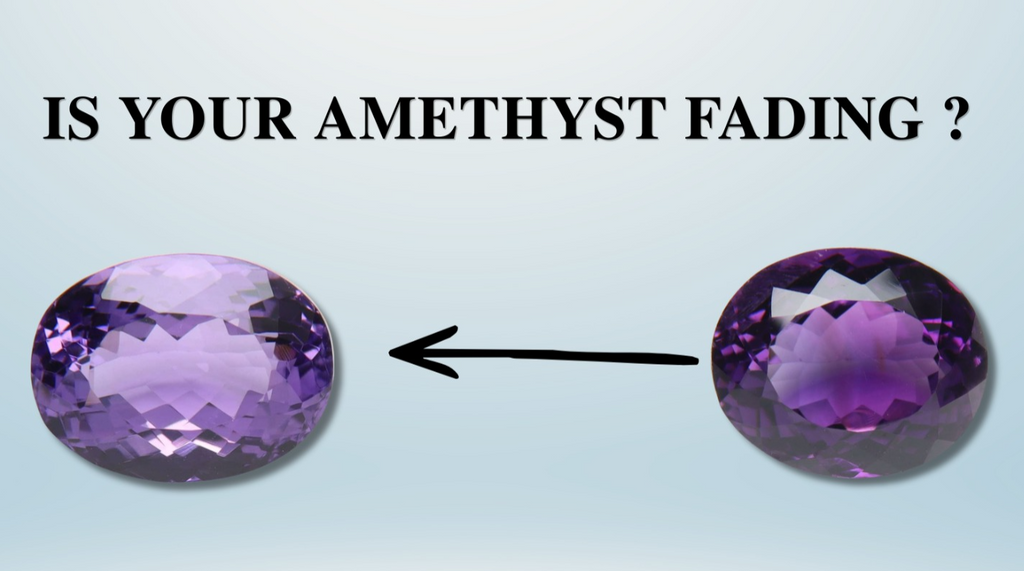
Is Your Amethyst Fading? 3 Things You're Doing That Damage Your Ring
1. Excessive Sun Exposure (The "Invisible" Thief)
The most common reason for amethyst fading is prolonged exposure to direct sunlight. Amethyst gets its color from irradiation and iron impurities within the crystal lattice. When exposed to high levels of UV radiation, these color centers can become unstable.
-
What happens: Ultraviolet rays break down the chemical bonds that give the stone its purple pigment. This process is irreversible; once an amethyst fades due to sun damage, it cannot be "recharged."
-
The Fix: Avoid wearing your amethyst ring to the beach, while gardening, or during long outdoor events. When you aren't wearing it, store it in a dark, fabric-lined jewelry box rather than on a sunny windowsill.
2. Contact with Harsh Household Chemicals
We often forget to take our rings off before jumping into chores, but for an amethyst, this can be a fatal mistake. Chemicals found in everyday items can dull the surface of the stone and weaken the metal setting.
-
The Culprits: * Chlorine: Common in swimming pools and hot tubs, chlorine can cause pitting in the stone and damage the gold or silver alloy of your ring.
-
Cleaning Products: Bleach and ammonia can strip the polish off the gemstone, making it appear cloudy or "milky."
-
Cosmetics: Hairspray, perfumes, and lotions create a film on the faceted gemstone, blocking light and making it look dull.
-
-
The Fix: Follow the "Last On, First Off" rule. Put your ring on after your perfume and lotion have dried, and take it off before cleaning or swimming.
3. Subjecting the Stone to Thermal Shock
Amethyst is sensitive to extreme temperature changes. While it can handle normal warmth, sudden "thermal shock" can lead to internal fractures or color shifts.
-
What happens: If you move your ring from a very cold environment to very hot water (or vice versa), the stone can crack internally. Furthermore, high heat can actually turn amethyst yellow or brown, effectively transforming it into Citrine—but usually with a muddy, undesirable tone.
-
The Fix: Never use steam cleaners or boiling water to clean your fine jewelry. Stick to lukewarm water and a mild dish soap for safe, effective maintenance.
How to Properly Care for Your Amethyst Ring
To keep your ring looking like the day you bought it, follow these professional maintenance tips:
-
Safe Cleaning: Use a soft-bristled toothbrush and a bowl of lukewarm water mixed with a few drops of mild soap. Gently scrub behind the stone where oils and dirt tend to collect.
-
Professional Inspections: Take your ring to a jeweler once a year to check the tapered shank and prongs. If the setting is loose, the stone could chip or fall out.
-
Storage: Always store amethyst separately from harder stones like diamonds or sapphires to prevent scratches on the surface.
SEO Keywords Included:
-
Amethyst fading
-
Gemstone jewelry care
-
Amethyst ring damage
-
Faceted gemstone
-
Jewelry maintenance tips
-
Purple gemstone durability
-
Fine jewelry protection
Summary Table: Amethyst Protection Guide
| Hazard | Effect | Prevention |
| Direct Sunlight | Permanent color fading | Store in a dark jewelry box |
| Chlorine/Bleach | Surface dullness & metal erosion | Remove before swimming/cleaning |
| High Heat | Internal cracks & color change | Avoid steam cleaners |
Why Amethyst Needs Special Care
Amethyst ranks 7 on the Mohs scale of hardness. While it is tough enough for daily wear in engagement rings and anniversary bands, it is softer than diamonds and sapphires. This means it can be scratched by harder stones or damaged by everyday activities if you aren't careful.
The Science of Fading: UV Rays and Heat
Many people don’t realize that amethyst is "light-sensitive." The rich purple color comes from iron impurities and natural radiation within the earth.
-
The Problem: High heat and constant UV exposure act like a "bleach" for the stone.
-
The Result: A deep Siberian purple stone can eventually turn into a pale lavender or even a translucent grey.
3 Pro-Tips to Restore and Protect Your Amethyst
1. Master the Gentle Clean
You don’t need expensive chemicals to clean your jewelry. In fact, chemicals are often the enemy.
-
Do: Use lukewarm water and a drop of detergent-free soap. Use a soft microfiber cloth or a very soft toothbrush to reach the infinity bale or the underside of the setting.
-
Don't: Never use an ultrasonic cleaner or steam cleaner. The vibrations and heat can cause the stone to shatter if it has any hidden inclusions.
2. Strategic Storage
Amethyst should never be tossed into a shared jewelry bowl.
-
Avoid Scratches: A diamond ring sitting next to your amethyst can easily leave permanent scratches on the facets.
-
Keep it Dark: Store your gemstone jewelry in a dedicated pouch or a velvet-lined box. Keeping it away from light when not in use is the best way to prevent amethyst fading.
3. Mind Your Environment
Are you wearing your ring while cooking or at the gym?
-
Thermal Shock: Moving from a cold air-conditioned room to a hot stove can cause "thermal shock," leading to internal fractures.
-
Impact: Even a small knock against a granite countertop can chip a cushion cut amethyst if it hits at the right angle.
How to Identify a Quality Amethyst
When adding to your collection, look for these three markers of quality:
-
Color Zoning: Real amethysts often have slight color variations within the stone. If the color is "too perfect" and flat, it might be synthetic.
-
Clarity: Look for stones that are "eye-clean." High-quality amethysts shouldn't have visible bubbles or cracks.
-
The Cut: A well-faceted stone will reflect light back to the eye evenly, without a "window" (a transparent hole) in the middle.
“At Tushar Gems, we provide 100% certified, astrologer-approved gemstones with 28+ years of trust — so you never risk wearing the wrong stone.”