Everything You Need to Know About Rubies, Sapphires and Emeralds
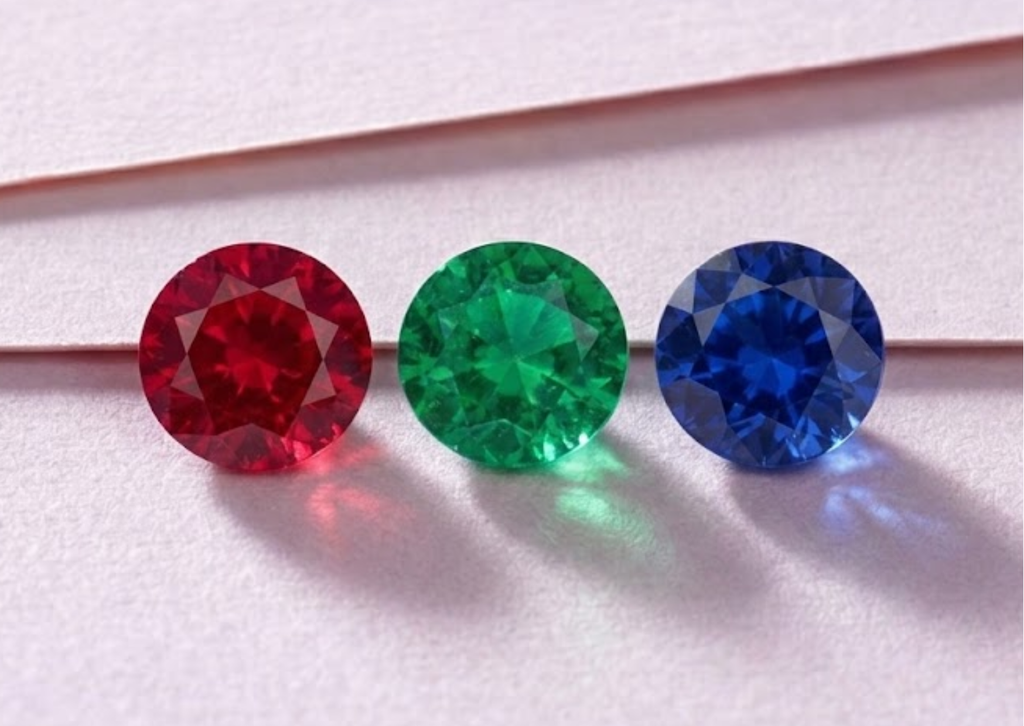
In the world of fine jewelry, three colored gemstones stand above the rest: Rubies, Sapphires, and Emeralds. Known collectively as "The Big Three," these stones have captivated humanity for millennia, symbolizing everything from eternal love and divine protection to royal power.
Whether you are a seasoned collector or a first-time buyer, understanding the nuances of these stones is essential for making an informed investment.
1. Ruby: The King of Gemstones
The Ruby, derived from the Latin word ruber meaning red, is the ultimate symbol of passion and vitality.
-
Mineral Composition: Rubies are a variety of the mineral Corundum. What separates a ruby from a sapphire is the presence of chromium, which gives it that iconic red hue.
-
Color & Quality: The most sought-after color is known as "Pigeon’s Blood Red"—a deep, vivid red with a hint of blue.
-
Durability: Scoring a 9 on the Mohs scale, rubies are incredibly hard and suitable for daily wear in engagement rings or bracelets.
-
SEO Keywords: Natural Ruby, Unheated Ruby, Burmese Ruby, Pigeon Blood Red, Ruby Investment, July Birthstone.
2. Sapphire: The Celestial Stone
While most people immediately think of a deep velvety blue, sapphires actually come in every color of the rainbow (except red, which would make them rubies).
-
The Blue Standard: The most prized sapphires traditionally come from Kashmir or Ceylon (Sri Lanka), known for their "cornflower blue" appearance.
-
Fancy Sapphires: You can find sapphires in yellow, pink, purple, and even "Padparadscha"—a rare pinkish-orange variety.
-
Symbolism: Traditionally associated with sincerity, truth, and nobility.
-
Durability: Like rubies, they are Corundum (9 on Mohs scale), making them one of the most practical choices for high-end jewelry.
-
SEO Keywords: Blue Sapphire, Ceylon Sapphire, Cornflower Blue, Padparadscha Sapphire, Sapphire Engagement Rings, September Birthstone.
3. Emerald: The Jewel of Kings
Emeralds belong to the Beryl family. Unlike the "clean" look of sapphires, emeralds are famous for their unique internal inclusions.
-
The "Jardin": Most emeralds contain tiny fractures and liquid inclusions. Gemologists call this the "Jardin" (French for garden). Rather than lowering value, these inclusions often prove the stone’s natural origin.
-
Color over Clarity: In the emerald market, color is king. A vivid green emerald with some inclusions is often more valuable than a pale green stone that is perfectly clear.
-
Care & Handling: With a hardness of 7.5 to 8, emeralds are more delicate than rubies or sapphires. They are often treated with natural oils to fill surface-reaching fissures.
-
SEO Keywords: Zambian Emerald, Colombian Emerald, Natural Emerald, Emerald Cut, May Birthstone, High-end Emerald Jewelry.
How to Evaluate Quality: The 4Cs of Colored Stones
When purchasing any of "The Big Three," keep these professional standards in mind:
| Factor | What to Look For |
| Color | The most important factor. Look for "Hue" (the color), "Tone" (lightness/darkness), and "Saturation" (vividness). |
| Clarity | Expect inclusions in emeralds; expect fewer in sapphires and rubies. Always ask if the stone is "Eye Clean." |
| Cut | A good cut should maximize the brilliance and color of the stone while minimizing the appearance of inclusions. |
| Carat | Large, high-quality rubies and emeralds are much rarer than large sapphires, meaning the price per carat jumps significantly as size increases. |
1. Ruby: The Eternal Flame of the Corundum Family
The Ruby is often called the "King of Gemstones." Derived from the mineral Corundum, it is defined by its deep red color, caused by the presence of chromium.
Color Grading and "Pigeon's Blood"
In the ruby market, color is the single most important factor. The ideal ruby possesses a vivid, high-intensity red. The most prized shade is "Pigeon’s Blood," a term used to describe rubies that exhibit a pure red with a soft glowing fluorescence and a tiny hint of blue.
Origins and Value
-
Burma (Myanmar): Historically the source of the finest rubies.
-
Mozambique: Currently the world’s leading producer of high-quality, ethically sourced rubies.
-
Durability: With a rating of 9 on the Mohs scale, rubies are second only to diamonds in hardness, making them perfect for rings that are worn daily.
Marketing Tip: The Power of "Unheated"
Most rubies on the market are heat-treated to improve color and clarity. A Natural Unheated Ruby is exceptionally rare and carries a significant premium in the luxury market.
2. Sapphire: A Spectrum of Royal Elegance
While the word "Sapphire" immediately brings to mind the deep blue of the ocean, this gemstone belongs to the same Corundum family as the ruby. In fact, a sapphire is any corundum that is not red.
The Blue Standard (Cornflower & Royal Blue)
The most valuable blue sapphires are those with a Cornflower Blue or Royal Blue hue. They should be "eye-clean," meaning no inclusions are visible to the naked eye, and they should have a "velvety" brilliance that catches the light from every angle.
Fancy Sapphires: Beyond Blue
Sapphires come in a rainbow of "Fancy Colors":
-
Yellow Sapphires: Associated with prosperity and wisdom.
-
Pink & Purple Sapphires: Rising in popularity for modern engagement rings.
-
Padparadscha: A rare, sunset-colored blend of pink and orange, found primarily in Sri Lanka.
SEO Focus: Why Sapphires?
Sapphires are the birthstone for September and are the top choice for those seeking a durable yet colorful alternative to diamonds. Their versatility allows them to be set in white gold, yellow gold, or platinum with equal stunning effect.
“At Tushar Gems, we provide 100% certified, astrologer-approved gemstones with 28+ years of trust — so you never risk wearing the wrong stone.”