Precious vs Semi-Precious Gemstones: Know the Difference
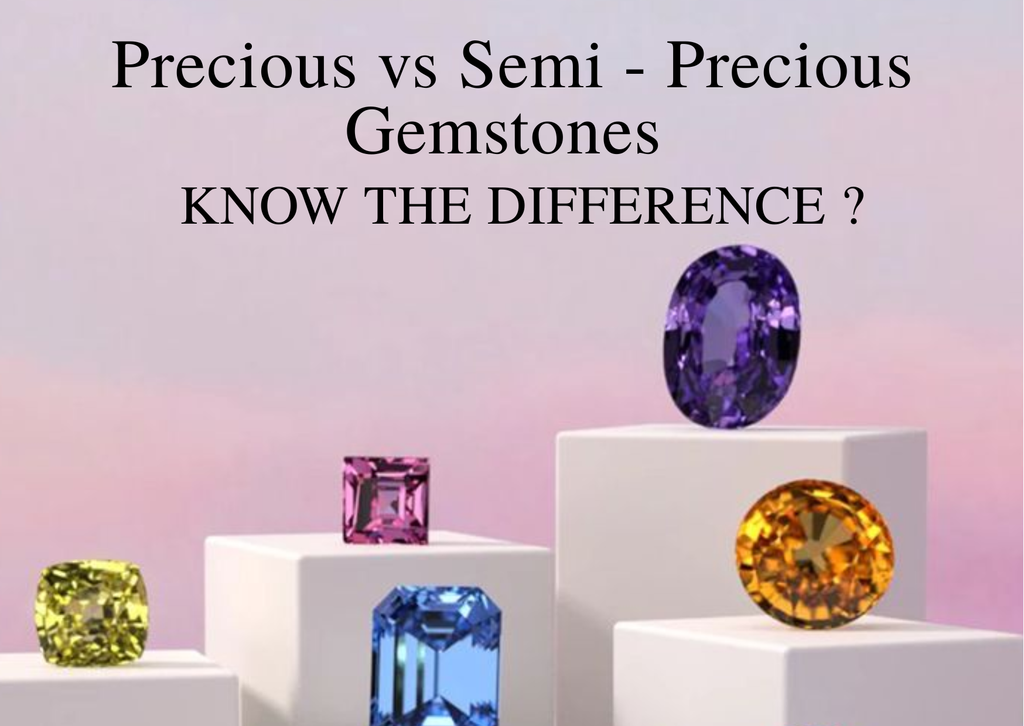
For centuries, the world of gemstones has been divided into two primary categories: Precious and Semi-Precious. While these terms are widely used in the jewelry industry, the distinction is often misunderstood. Is a "precious" stone always more valuable than a "semi-precious" one? Does the label dictate quality, or is it merely a relic of history?
In this guide, we dive deep into the origins of these classifications, the scientific reality of gemstones, and how you can make an informed choice for your next luxury investment.
Understanding the Big Four: The "Precious" Stones
Traditionally, only four gemstones held the title of "Precious." These stones were categorized based on their historical rarity, hardness, and royal appeal.
-
Diamond: Known for its unmatched brilliance and hardness (10 on the Mohs scale).
-
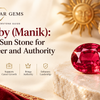
Ruby: The vibrant red variety of the mineral corundum.
-
Sapphire: The blue variety of corundum (though it comes in many colors, blue is the classic precious standard).
-
Emerald: A rich green variety of beryl, prized for its deep color despite natural inclusions.
In the past, these were the stones of kings and queens. However, modern gemology has evolved, and the "Big Four" are no longer the only high-value players in the market.
What are Semi-Precious Gemstones?
The term "Semi-Precious" is a broad category that includes every other authentic gemstone. This includes favorites like:
-
Amethyst (Purple Quartz)
-
Topaz (Available in blue, imperial, and colorless)
-
Citrine (Yellow/Orange Quartz)
-
Aquamarine (Blue Beryl)
-
Tanzanite (Blue/Violet Zoisite)
-
Garnet (Deep Reds and Greens)
The Myth of Value: One of the biggest misconceptions is that semi-precious stones are always "cheap." In reality, a high-quality Paraiba Tourmaline or a rare Tsavorite Garnet can often cost significantly more per carat than a low-grade Diamond or Sapphire.
How to Tell the Difference: Key Factors
When choosing between gemstones, look beyond the marketing labels and focus on these professional benchmarks:
1. The Mohs Scale of Hardness
Precious stones generally sit at the top of the scale. Diamonds are a 10, Rubies/Sapphires are a 9, and Emeralds are 7.5 to 8. Hardness determines how well a stone resists scratches, making precious stones ideal for everyday wear like engagement rings.
2. Rarity and Source
Some semi-precious stones are actually rarer than precious ones. For example, Tanzanite is found in only one location on Earth (Tanzania), making it geologically rarer than a Diamond, yet it remains classified as semi-precious.
3. Color and Clarity
A "precious" Emerald with heavy inclusions and a dull color may be less desirable than a "semi-precious" Aquamarine with perfect clarity and an intense sea-blue hue.
Why the Industry is Moving Away from These Terms
Many modern jewelers and gemologists are moving away from the "Precious vs. Semi-Precious" terminology. The Federal Trade Commission (FTC) in the United States even suggested years ago that these terms could be misleading to consumers because they imply a hierarchy of value that isn't always true.
Instead, professionals focus on:
-
Natural vs. Synthetic: Is the stone Earth-mined or lab-grown?
-
Treatments: Has the stone been heat-treated to enhance color?
-
Certification: Does it have a report from a reputable lab like IIGJ or IGI?
Tips for Gemstone Buyers
-
Investment Value: If you are buying for resale value, stick to high-quality Sapphires, Rubies, and Diamonds with natural certification.
-
Aesthetic Choice: If you love a specific color—like the royal purple of an Amethyst—don't let the "semi-precious" label stop you.
-
Durability: For rings, choose stones with a Mohs hardness of 7 or above. For necklaces and earrings, you can safely choose softer stones like Opals or Pearls.
Conclusion
The line between precious and semi-precious is blurring. Whether you are looking for a Natural Blue Sapphire or a shimmering Citrine, the true value lies in the stone’s beauty, its authenticity, and how it makes you feel when you wear it.
The Historical Origin of the "Precious" Label
The distinction between precious and semi-precious is not a scientific one; rather, it is a commercial and historical classification that dates back to ancient Greece and later solidified in the mid-19th century.
Traditionally, only four gemstones were considered Precious:
-
Diamond: The symbol of eternal strength, famous for its unmatched brilliance and 10/10 hardness.
-
Ruby: The "King of Precious Stones," prized for its vibrant red fluorescence.
-
Sapphire: Known for its deep royal blues, though it naturally occurs in every color of the rainbow except red.
-
Emerald: A symbol of rebirth, valued for its lush green hues and unique "jardin" (internal inclusions).
Historically, these were categorized as precious because they were the rarest, the hardest, and the most sought-after by royalty. Everything else—regardless of beauty or rarity—was relegated to the "semi-precious" category.
The "Semi-Precious" World: A Misleading Name?
The term "Semi-Precious" covers an incredibly vast and diverse range of stones. From the purple depths of Amethyst to the fiery glow of Opal, these stones are essential to the world of luxury fashion.
However, the name is a bit of a misnomer. Many people assume "semi-precious" means "half-valuable" or "common." This is far from the truth. In fact, many semi-precious stones are:
-
Rarer than Diamonds: Natural Tanzanite is found in only one place on Earth. Tsavorite Garnets are far rarer than Emeralds.
-
Incredibly Expensive: A high-quality Paraiba Tourmaline can command prices that rival or even exceed the price of a high-grade Diamond.
Popular Semi-Precious Stones include:
-
Aquamarine: The serene blue of the ocean.
-
Topaz: Often found in stunning Swiss and London Blue shades.
-
Peridot: A unique, olive-green stone formed in the Earth's mantle.
-
Garnet: A versatile stone found in deep reds, vibrant oranges, and even greens.
Color (The Most Important Factor)
For colored gemstones, color is king. Professionals look at Hue (the basic color), Tone (how light or dark it is), and Saturation (the intensity or vividness). A vivid, naturally saturated semi-precious stone will always be more valuable than a dull, pale precious stone.
Clarity and Inclusions
Most natural gemstones have small internal characteristics called "inclusions." In Emeralds, these are expected and called a "garden." In Diamonds, however, clarity is paramount to value.
The Mohs Scale of Hardness
This scale measures how resistant a stone is to scratching.
-
Diamonds: 10 (Maximum durability)
-
Rubies/Sapphires: 9 (Excellent for daily wear)
-
Topaz: 8 (Very durable)
-
Quartz/Amethyst: 7 (Good for jewelry but requires care)
Cut and Carat
The way a stone is faceted—whether it’s a Cushion Cut, Oval, or Octagon—significantly impacts how it reflects light. Carat weight also plays a role, especially in stones that rarely grow in large sizes.
Secrets Every Gemstone Buyer Should Know
-
Certification is Key: Always ask for a lab report from a reputable authority (like GIA, IGI, or IIGJ). This ensures the stone is Natural and not synthetic.
-
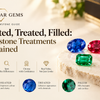
"Unheated" vs. "Treated": Most precious stones are heat-treated to improve color. A "Natural Unheated" stone is significantly more valuable because of its raw, untouched beauty.
-
Origin Matters: For Sapphires, "Kashmir" or "Ceylon" origins add a premium. For Emeralds, "Colombian" is the gold standard.
-
Lighting Changes Everything: Always look at a gemstone under natural daylight. Artificial showroom lights are designed to make even low-quality stones sparkle.
-
Don't Ignore the Setting: A high-quality stone deserves a high-quality setting. Ensure your gemstones are set in 18k Gold or Platinum to ensure they are secure and the metal doesn't tarnish the stone's look.