

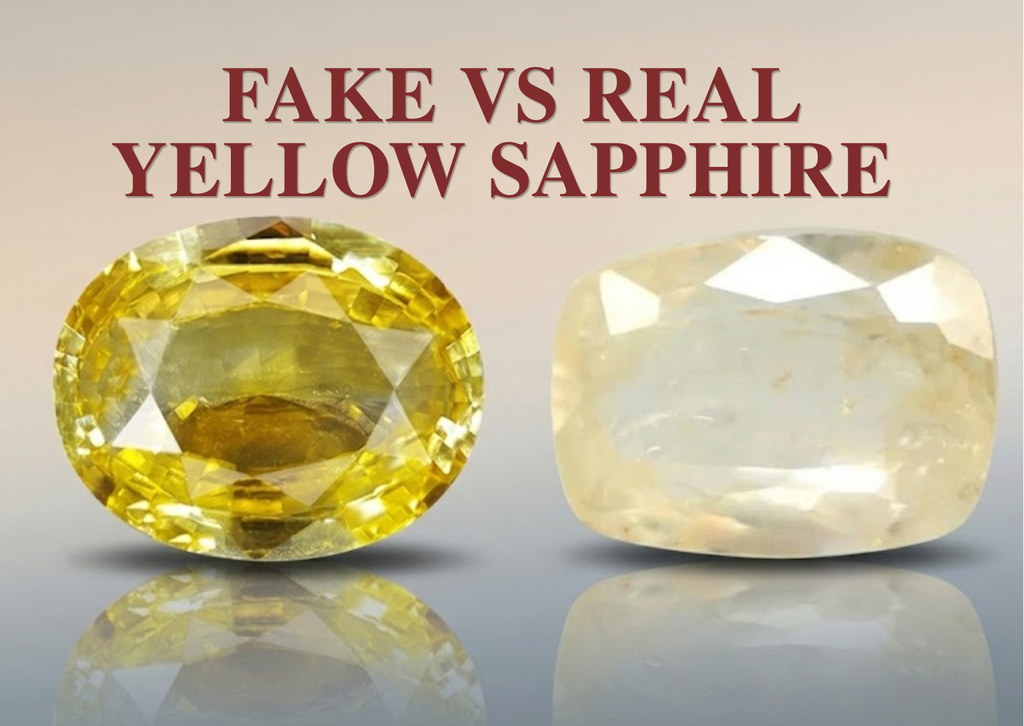
Real vs Fake Yellow Sapphire: The Identification Guide
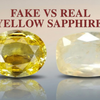
The Core Difference: Natural, Synthetic, and Imitation Before diving into the tests, it is essential to understand what exactly makes a stone "fake" or "non-natural." Natural Yellow Sapphire: Formed deep within the earth’s crust over millions of years under extreme heat and pressure. It contains distinct natural internal characteristics. Synthetic/Lab-Grown Sapphire: These possess the exact same chemical composition ($Al_2O_3$) and physical properties as natural sapphires but are created in a...
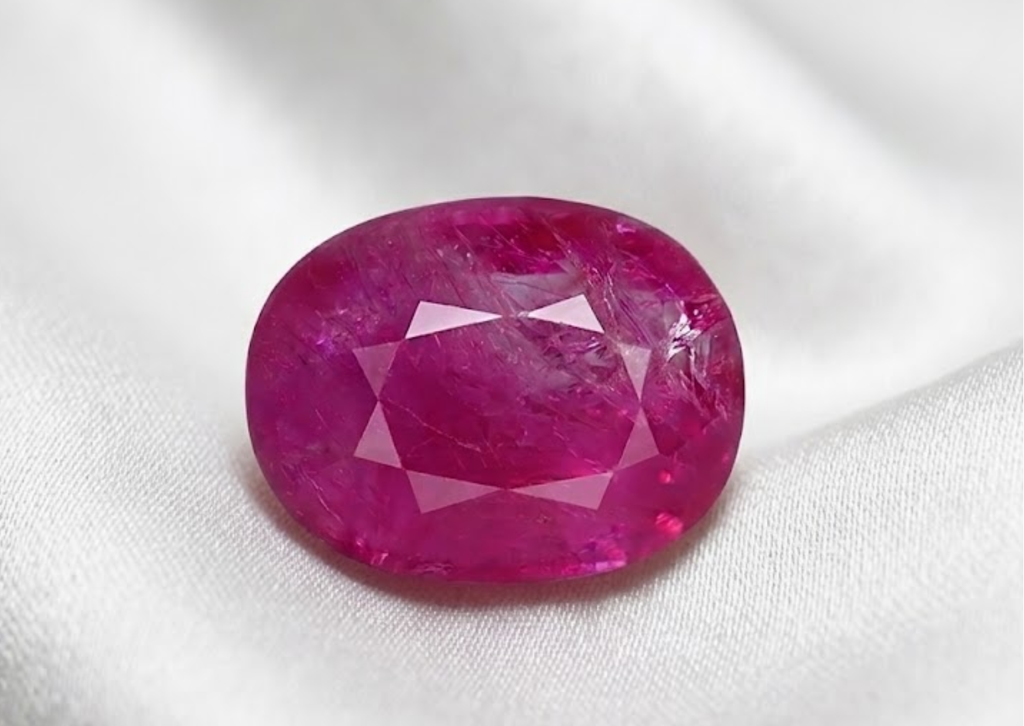
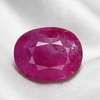
Why Is Burma Ruby So Expensive?
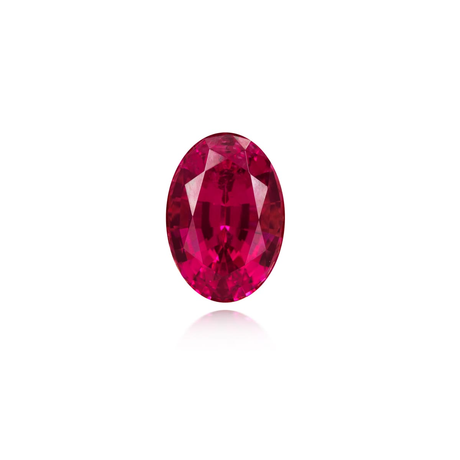
1. The Legendary "Pigeon’s Blood" Color The most significant factor behind the price of a Burma Ruby is its color. The finest rubies from the Mogok Valley are famously described as "Pigeon’s Blood" red. Vivid Red with Blue Undertones: This isn't just any red; it is a deep, vivid red with a soft, subtle hint of blue. This unique combination makes the red appear richer and more "velvety." High Chromium...
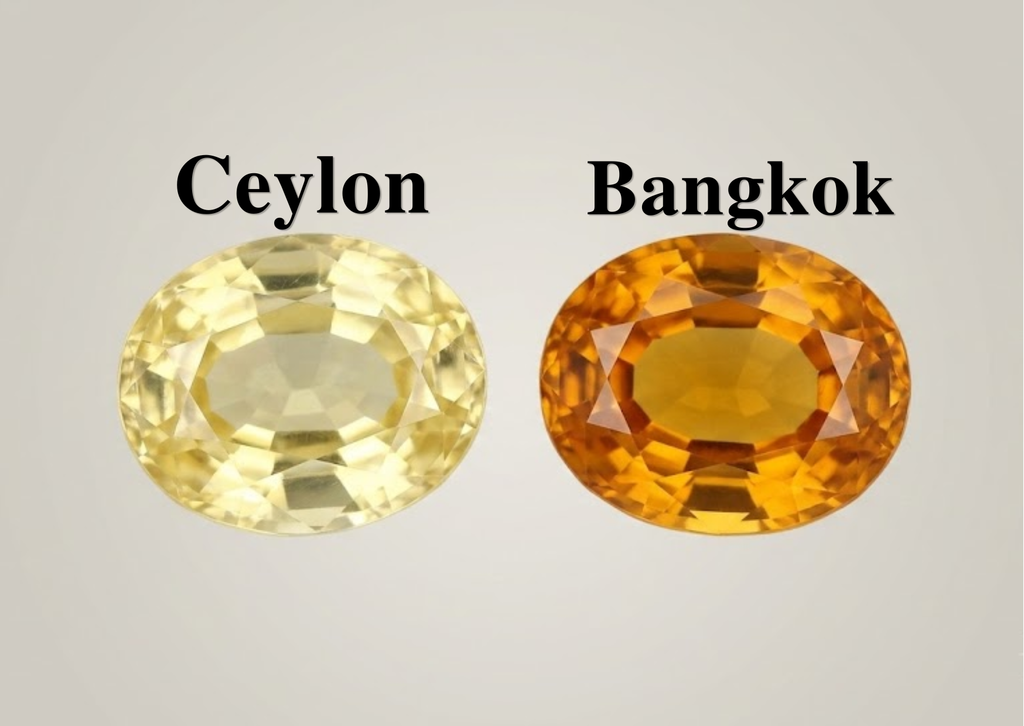
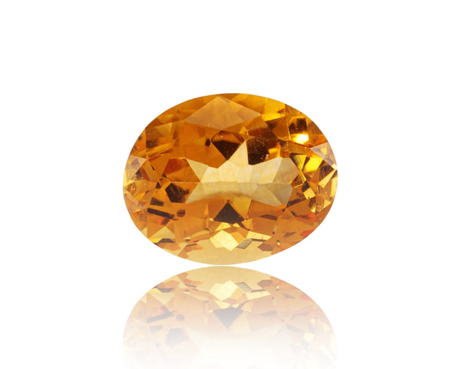
Ceylon vs Bangkok Yellow Sapphire: Which Pukhraj Stone Is Right for You?
The Yellow Sapphire, known as Pukhraj in Vedic astrology, is the gemstone of Jupiter (Guru), worn for wealth, wisdom and good fortune. In the market you will see two main kinds: Ceylon (Sri Lankan) and Bangkok (Thai). They can look alike, but their value and use are very different. Here is how to tell them apart and which country's Pukhraj is best for you. 1. Origins and Heritage Ceylon (Sri...
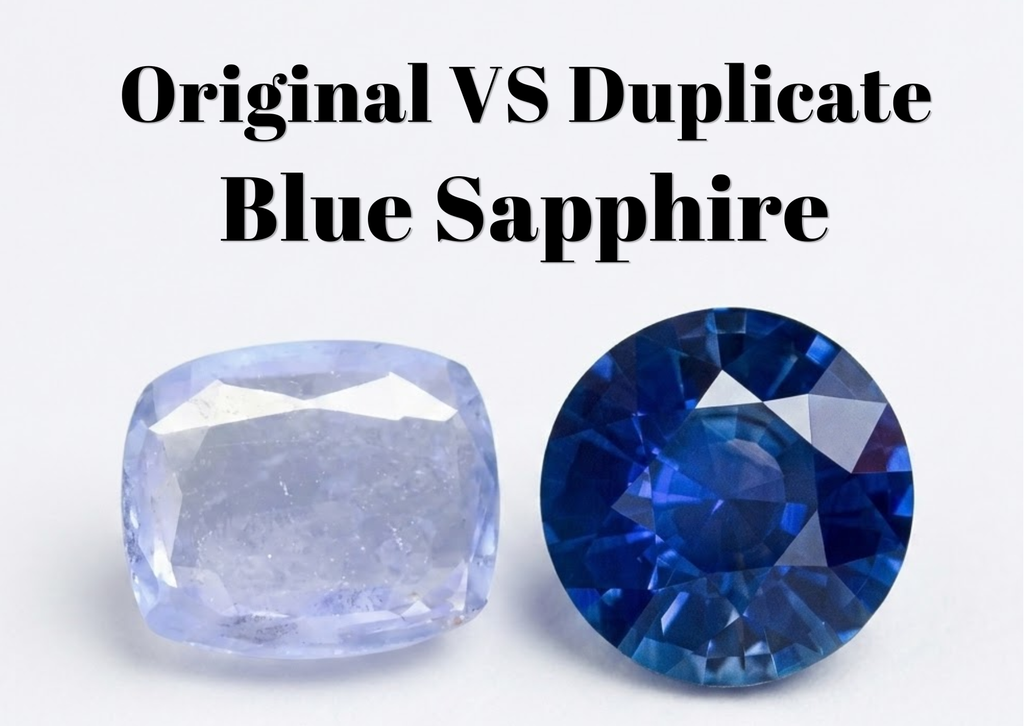
How to Identify a Real Blue Sapphire: Original vs Fake
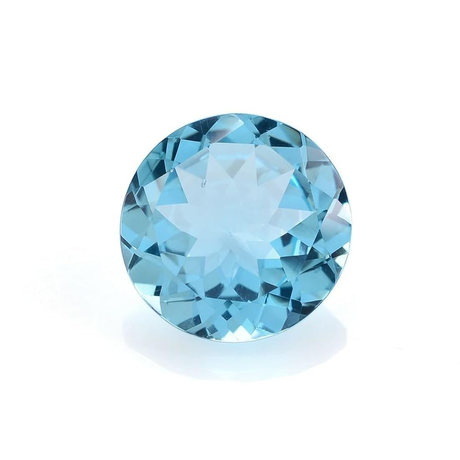
Understanding the Basics: What is a Blue Sapphire? A Blue Sapphire is a variety of the mineral Corundum. While pure corundum is colorless, the presence of trace elements like iron and titanium gives the Blue Sapphire its signature hue. On the Mohs scale of mineral hardness, Sapphires score a 9, making them the second hardest natural substance after diamonds. 1. The "Breath Test" (The Quick Fog Check) One of the...
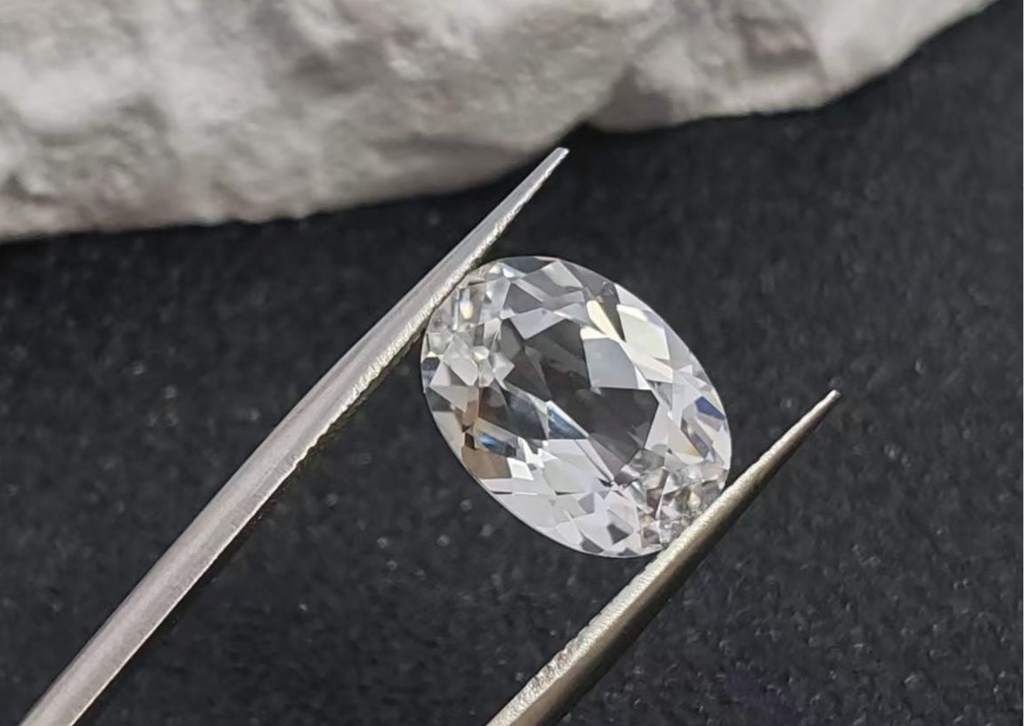
When and How to Wear White Sapphire: Best Day and Best Metal
When to Wear White Sapphire: The Best Day & Time Timing is everything when it comes to planetary gemstones. To ensure the stone aligns with the energies of Venus, follow these specific guidelines: The Best Day: Friday (Shukravar) is the dedicated day for the planet Venus. The Best Time: The most auspicious time is during the morning hours (Sunrise). Ideally, you should wear it within the first hour after sunrise,...
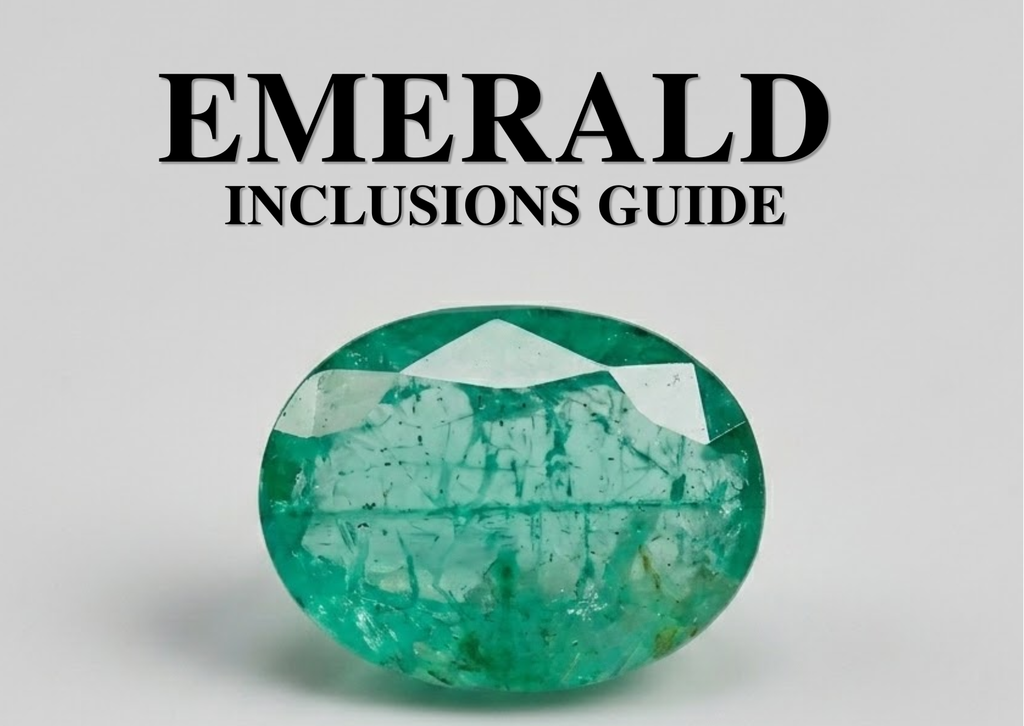
Emerald Inclusions Explained: Types and Effects
Emeralds are among the most coveted gemstones in the world, yet they are almost never "perfect" in the traditional sense. While a diamond’s value often depends on its clarity, an emerald is judged by a different standard. In the world of gemology, emerald inclusions are not just flaws—they are a gemstone’s DNA. Understanding the "Jardin" Unlike other gemstones where inclusions are seen as "dirt" or "cracks," emerald inclusions are poetically...
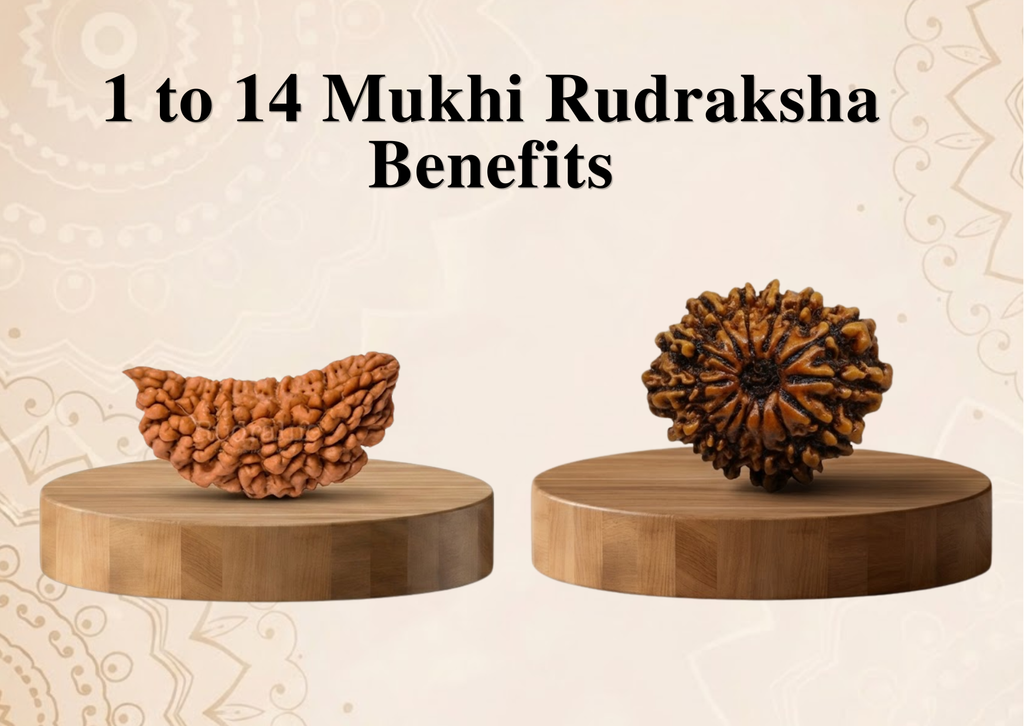
1 to 14 Mukhi Rudraksha Benefits
1 to 14 Mukhi Rudraksha: Benefits and Meanings 1 Mukhi Rudraksha (The Superconscious) Ruling Deity: Lord Shiva Ruling Planet: Sun Benefits: This is the most powerful bead. It enhances focus, provides mental clarity, and helps the wearer disconnect from worldly attachments while achieving worldly success. It is highly recommended for leadership and meditation. 2 Mukhi Rudraksha (The Bead of Unity) Ruling Deity: Ardhanareshwar (Shiva & Shakti) Ruling Planet: Moon Benefits:...
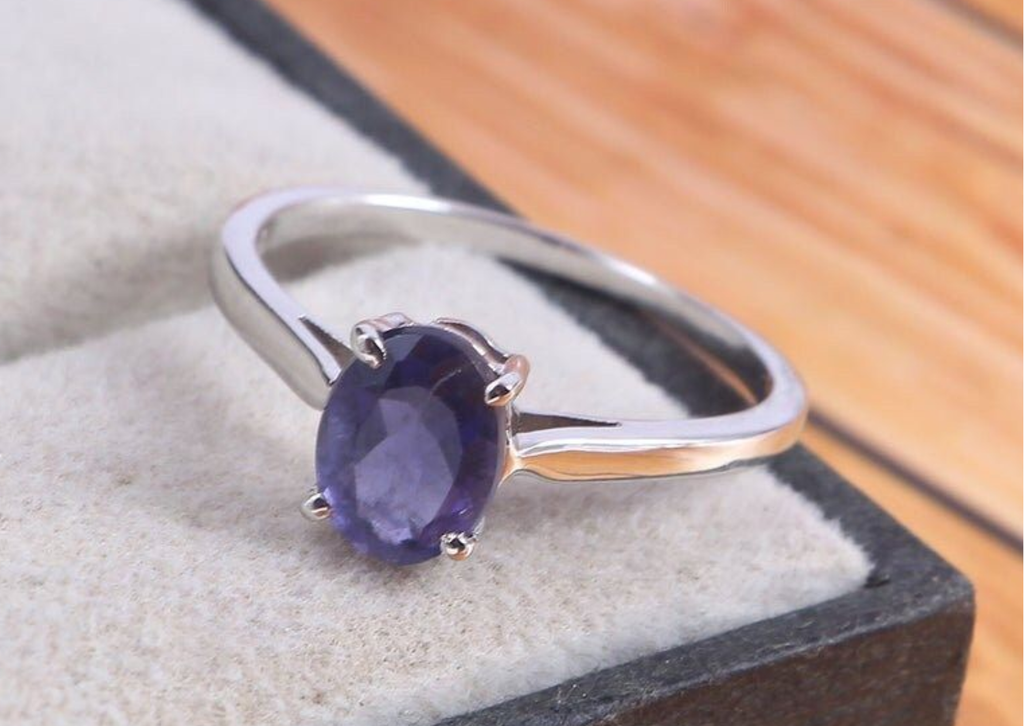
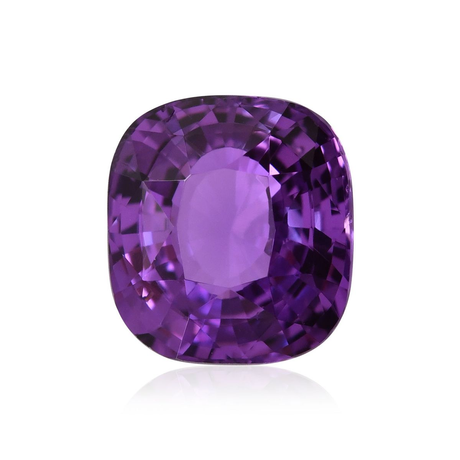
How to Wear Iolite Gemstone
Why Wear Iolite? Before diving into the "how," it is essential to understand "why." Iolite is governed by the planet Saturn (Shani). It is believed to: Clear Thought: Help in recovering balance and motivation. Financial Stability: Assist in debt management and financial responsibility. Physical Healing: Support the detoxification of the body and improve eyesight. Spiritual Growth: Activate the Third Eye Chakra, enhancing intuition. Step-by-Step Guide: How to Wear Iolite Gemstone...