

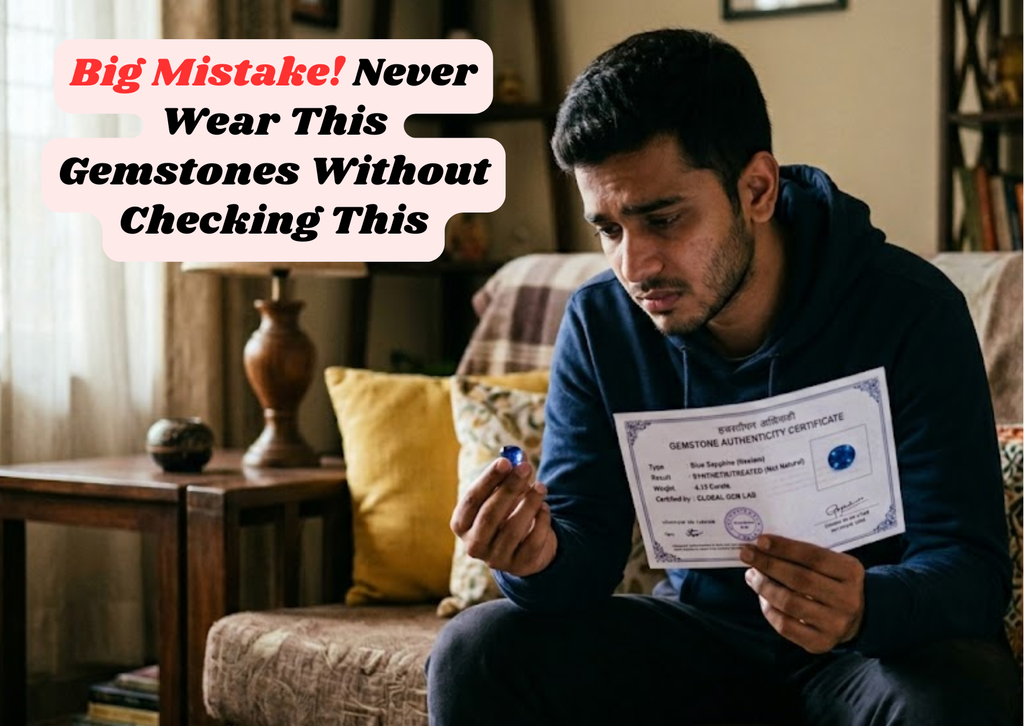
Big Mistake! Never Wear These Gemstones Without Checking This
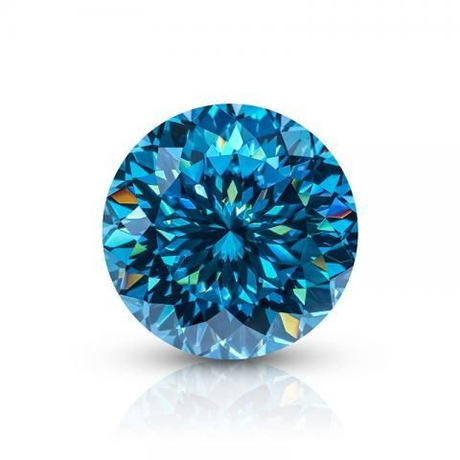
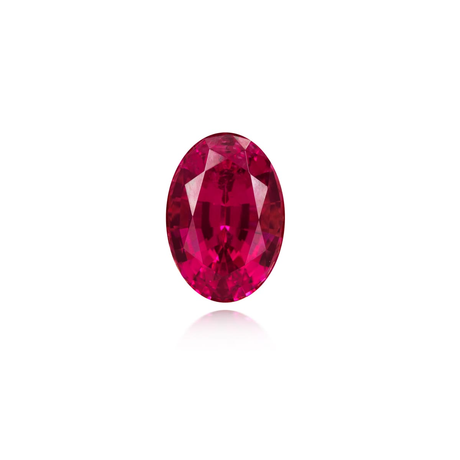
1. The Compatibility Factor: Friend vs. Foe The most critical rule in gemstone science is Planetary Relationship. Just as people have friends and enemies, planets do too. The Conflict: For example, Blue Sapphire (Neelam), ruled by Saturn, is fundamentally incompatible with Ruby (Manik), ruled by the Sun. The Risk: Wearing stones of "enemy" planets simultaneously can create chaotic energy in your life. It’s like trying to drive a car while...
I Wore This Gemstone for 7 Days: The Results Shocked Me
Day 1 to Day 3: The Subtle Shift Day 1: Initially, I felt a slight heaviness in my hand. It wasn't uncomfortable, but I was hyper-aware of the stone’s presence. By evening, I noticed a strange sense of calm during a high-stress meeting. Day 2: Usually, I struggle with "brain fog" in the mornings. On the second day, I woke up feeling remarkably sharp. My focus was laser-pointed, and I...
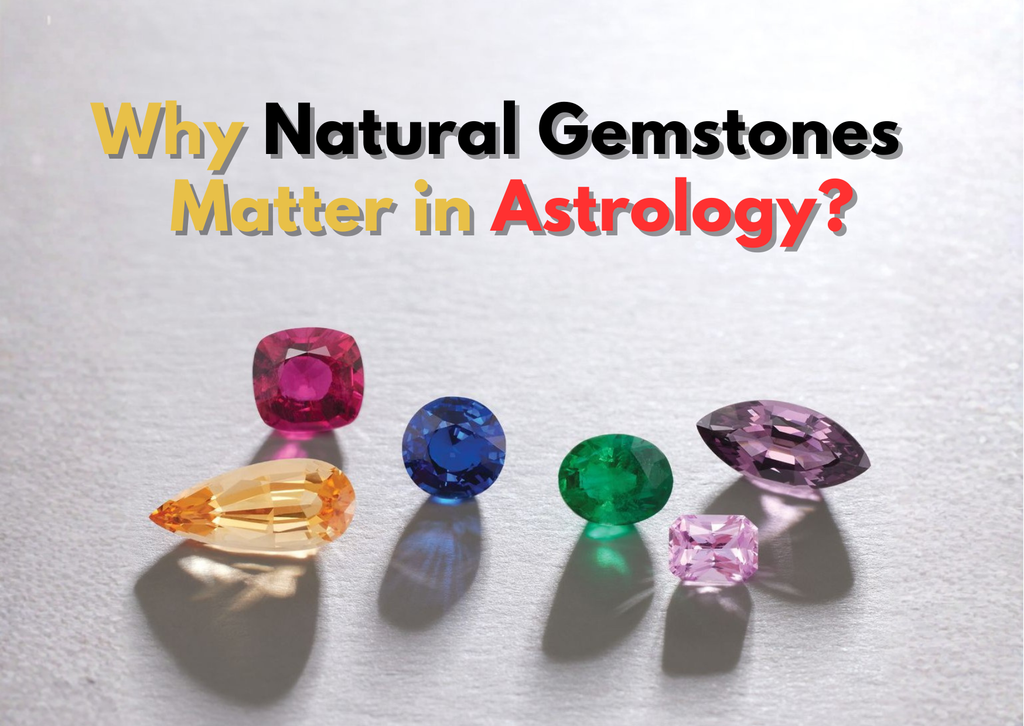
Why Natural Gemstones Matter Deeply in Astrology
Have you ever wondered why, in the world of astrology, the recommendation isn’t simply to "wear a red stone," but specifically to "wear an authentic, natural Ruby"? For thousands of years, civilizations—most notably within the tradition of Vedic Astrology (Jyotish)—have revered gemstones not just as ornaments of beauty, but as potent tools for transformation. But a critical distinction has survived through the ages: For astrological remedies to be effective, the...
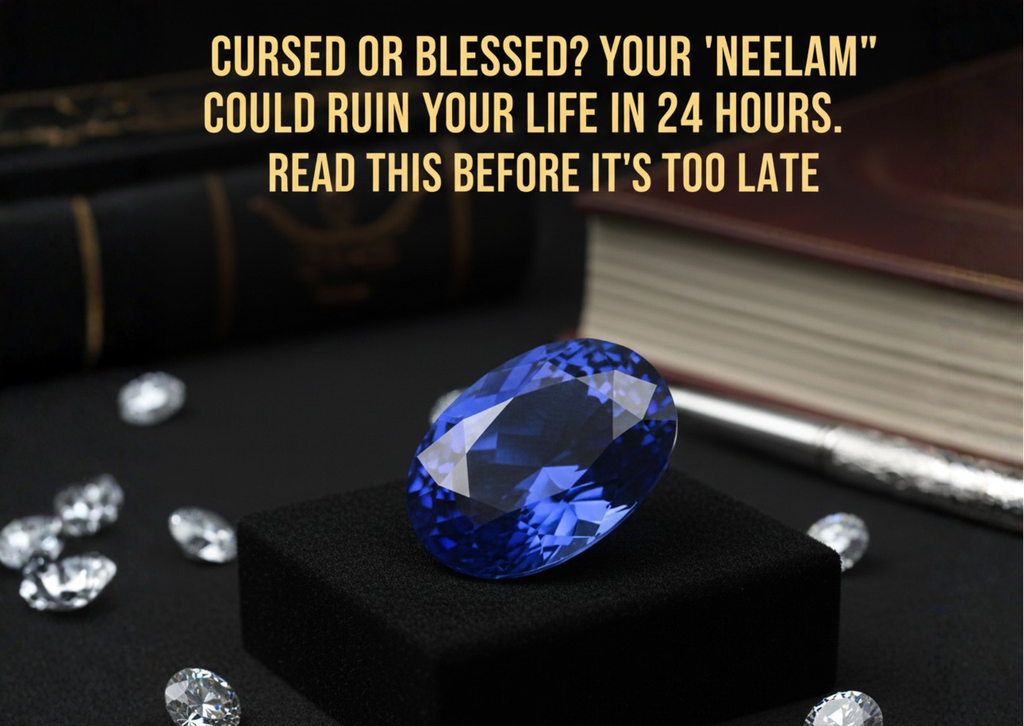
Will the Blue Sapphire (Neelam) Backfire? The 24-Hour Test
In the bustling gemstone markets of Jaipur, Mumbai, and Delhi, there is one golden rule that every experienced jeweler and astrologer lives by: The first 24 hours decide everything. While some modern perspectives might call it a myth, any seasoned wearer of Blue Sapphire (Neelam) or Gomed (Hessonite) knows the truth. In 2026, as planetary energies shift rapidly, the "Immediate Reaction" is the most reliable way to know if a stone...
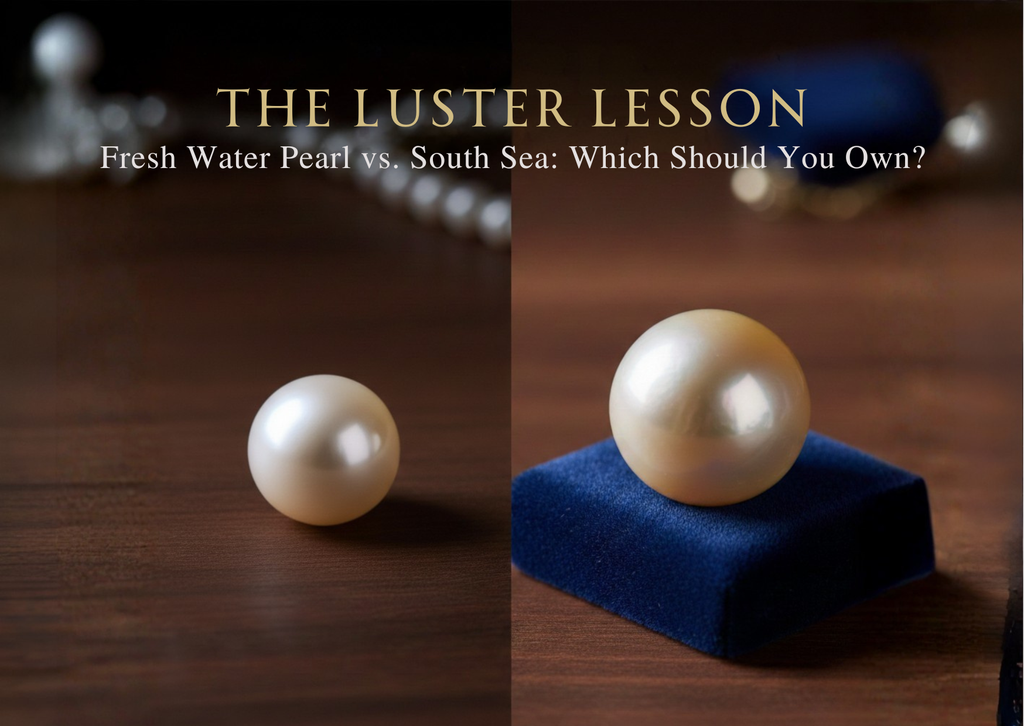
Standard Cultured vs. South Sea – Which Should You Own?
Pearls have long been symbols of "quiet luxury," but not all pearls are created equal. If you’ve ever browsed a jewelry store and wondered why one strand of white pearls costs $300 while another—seemingly identical—costs $10,000, you’ve bumped into the great divide: Standard Cultured (Akoya/Freshwater) vs. The South Sea Giant. While technically both are "cultured" (meaning they are farm-raised rather than found by chance in the wild), the similarities end...
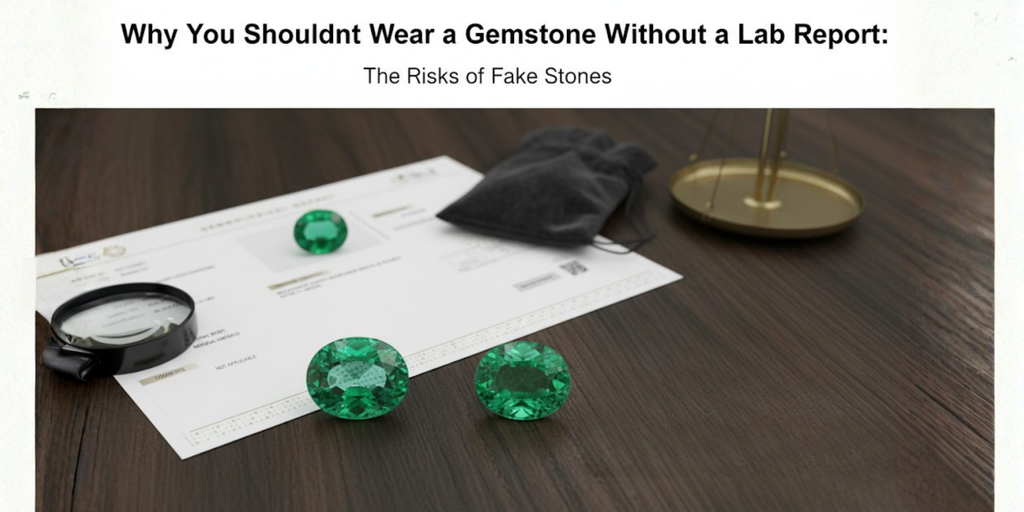
Why You Should NEVER Buy a Gemstone Without a Lab Report
You’ve fallen in love with a dazzling gemstone – maybe it’s a vibrant sapphire, a fiery ruby, or a mesmerising emerald. It sparkles, it catches the light just so, and the price… well, it seems like a steal! But hold that thought. Before you hand over your hard-earned cash, ask yourself: "Where's the lab report?" In the glittering world of gemstones, what you see isn't always what you get. Buying...
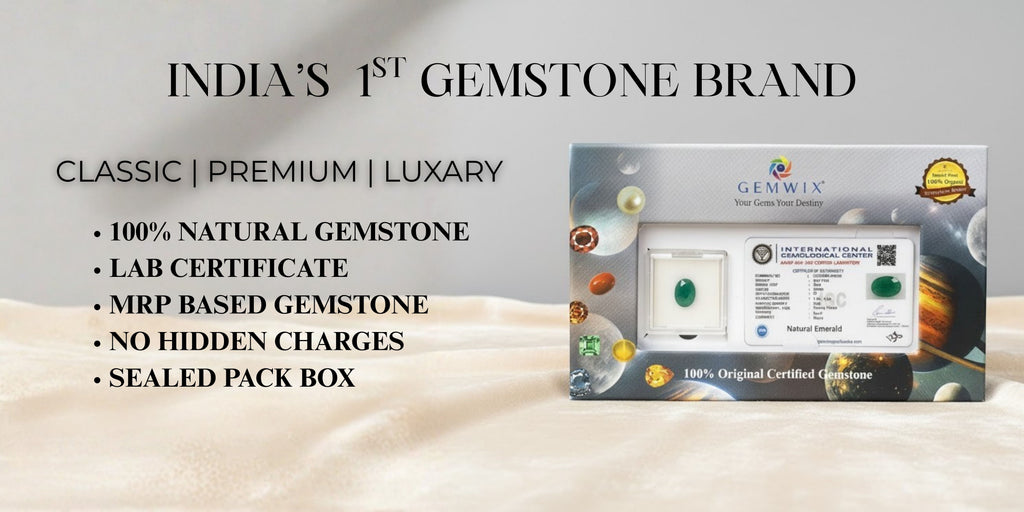
The Unorganised Gemstone Market in India & How Gemwix Brings Classic Luxury and Transparency
The gemstone market in India is rich in heritage and belief, yet it remains largely unorganised. Unlike gold or diamonds, gemstone prices are not fixed or standardized. This absence of structure has led to inconsistent pricing, confusion, and lack of trust among buyers. Gemwix was created to redefine this space—by introducing classic values, premium quality, and luxury transparency into gemstone buying. ⸻ Why the Gemstone Market Lacks Structure In today’s...
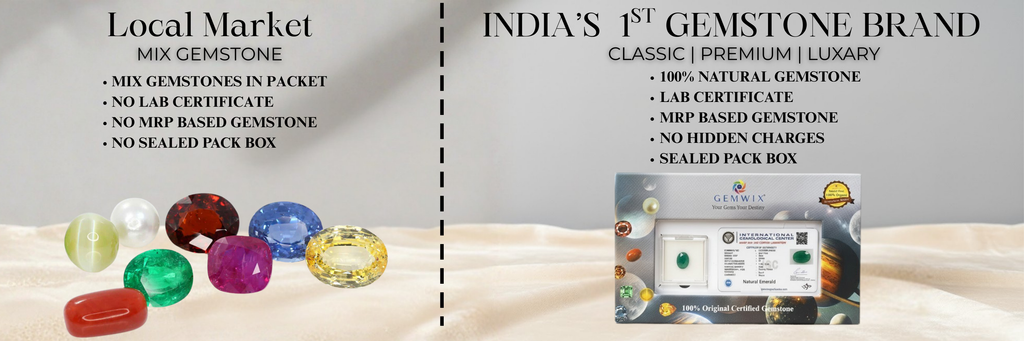
Loose Gemstone vs Gemwix Sealed Pack: Which Should You Buy?
Why the Gemstone Market Is Still Unorganised — And How GEMWIX by Tushar Gems Is Changing It The Indian gemstone market has existed for centuries, yet even today it remains largely unorganised, inconsistent, and opaque. While demand for natural gemstones is growing rapidly, customers are still forced to rely on trust rather than transparency. This gap between belief and verification is exactly where problems begin — and where GEMWIX by...